
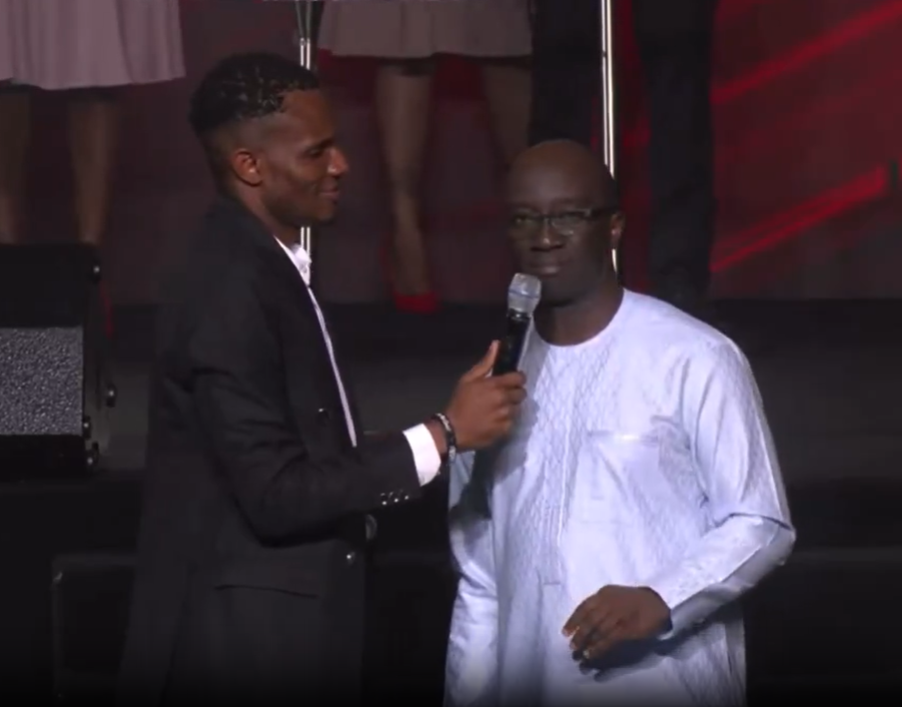
Popular Nigerian pastor, Jerry Eze, founder of Streams of Joy Church and convener of the NSPPD prayer platform, has come under scrutiny following a controversial testimony by Edo State Governor, Monday Okpebholo, during a church service.
In a viral video that emerged over the weekend, Governor Okpebholo attributed his recent victory in the Edo State governorship election to divine intervention, expressing gratitude to God during a testimony session. The session moderator remarked that God often uses “foolish things” to demonstrate His sovereignty.
The testimony sparked widespread criticism online, with many accusing Pastor Eze of enabling a mockery of Christianity. Critics alleged that the platform was being used to validate questionable political outcomes.
Ose Anenih, son of former Minister of Works Tony Anenih, took to social media to condemn the event, writing, “There was a time when men of God spoke truth to power. Today, pastors celebrate societal perversions. God will not be mocked.”
Another user, tweeting under the name #buhilz56, questioned the propriety of allowing such testimonies, stating, “This should not happen on the pulpit. Everyone knows what transpired in Edo State.”
Others highlighted the congregation’s enthusiastic response, which they viewed as troubling. “Imagine the congregation celebrating this. We deserve what we get as a society,” one commenter lamented.
However, some defended Pastor Eze, arguing that he could not dictate who is allowed to testify. “The church is for everyone. Pastor Jerry cannot stop anyone from sharing their testimony,” a supporter tweeted.
Some also pointed out that rejecting a sitting governor’s testimony could invite political backlash. “If they had turned him away, it could have led to government retaliation against the church,” another commenter suggested.
Despite the criticisms, others argued that divine intervention should not be dismissed, with one user noting, “If God didn’t want him there, no amount of rigging would have put him in power.”
The incident has reignited debates about the intersection of religion and politics in Nigeria, with many calling for pastors to maintain neutrality and uphold the sanctity of the pulpit.


