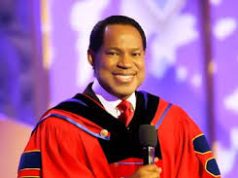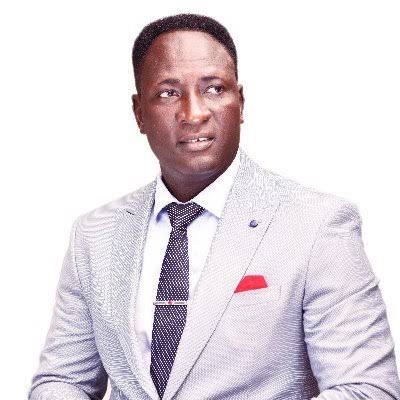
The Christian Association of Nigeria (CAN) has condemned Prophet Jeremiah Fufeyin, the General Overseer of Christ Mercyland Deliverance Ministry, for asserting that giving a “first fruit” offering can erase sins, including those committed by fraudsters. CAN labeled his statement as “heresy” and cautioned Nigerians against being misled by preachers with questionable theological backgrounds.
Fufeyin made the controversial claim during a sermon at his church, stating that first fruit offerings bring miraculous blessings and forgiveness. This practice involves offering the first and best portion of one’s harvest or income to God as an act of gratitude, rooted in Old Testament teachings.
Known as “Papa J” among his followers, Fufeyin has faced significant criticism online for promoting and selling miracle products, such as special soaps and oils, which he claims can address various personal and health issues. Critics argue that he exploits vulnerable followers by commercializing faith.
In 2024, the National Agency for Food and Drug Administration and Control investigated some of his spiritual products over claims of healing infertility and other medical conditions.
In a recently resurfaced video, Fufeyin insisted that first fruit offerings hold such spiritual significance that they can overshadow even serious sins. He encouraged his congregation to bring their first income to the church, claiming it could lead to divine intervention.
Reacting to his statements, Abimbola Ayuba, the National Director of National Issues and Social Welfare for CAN, emphasized that God does not condone sin or “share booty with crooks.” He criticized Fufeyin’s teachings as misleading and manipulative.
Bishop Stephen Adegbite, the Lagos State Chairman of CAN, also dismissed Fufeyin’s sermon as unbiblical, challenging him to provide scriptural backing for his claims. He warned that such teachings could encourage people to continue sinning under the false belief that their offerings would absolve them.